
There’s nothing quite as comforting and nourishing as a big bowl of Minestrone soup. This classic Italian vegetable soup is packed with fresh, seasonal vegetables, hearty beans, and tiny pasta, all simmered in a flavorful broth. It’s a celebration of simple ingredients and a testament to the power of Italian home cooking. Our recipe delivers an authentic Minestrone experience, perfect for a cozy weeknight dinner or a satisfying lunch. Get ready to embrace the vibrant flavors and wholesome goodness of this beloved soup!
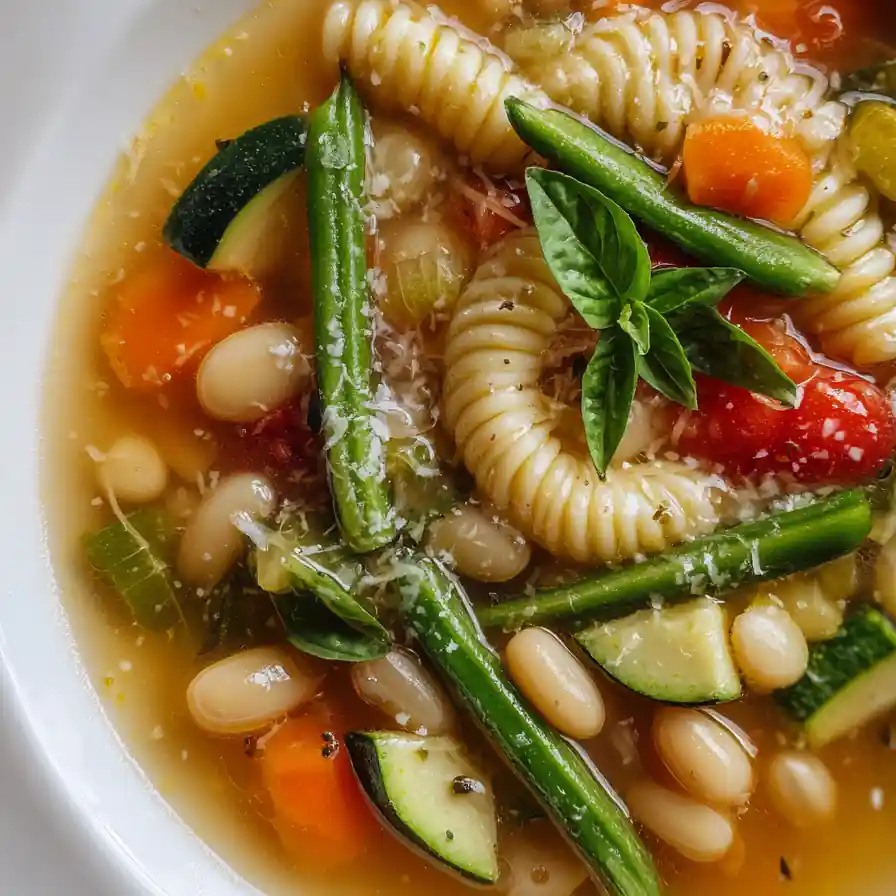
What You’ll Need: The Ingredient List
- Extra-Virgin Olive Oil (2 tbsp / 30 ml): We use extra-virgin olive oil for its rich flavor and health benefits. It forms the base of our soffritto, the aromatic foundation of the soup.
- Onion (1 large / 150g / 5oz), diced: A yellow onion provides a sweet and savory base flavor. Dicing ensures it cooks evenly and blends seamlessly into the soup.
- Garlic (2 cloves / 10g / 0.35oz), minced: Freshly minced garlic adds a pungent aroma and depth of flavor. Don’t skimp – garlic is essential!
- Carrots (2 medium / 200g / 7oz), diced: Carrots contribute sweetness and a vibrant color. Dicing them to a similar size as the onion and celery ensures even cooking.
- Celery (2 stalks / 120g / 4oz), diced: Celery provides a subtle savory note and adds to the overall complexity of the flavor profile.
- Potato (1 medium / 150g / 5oz), peeled and cubed: A starchy potato helps to thicken the soup slightly and adds a comforting texture. We prefer a waxy potato like Yukon Gold.
- Zucchini (1 medium / 150g / 5oz), diced: Zucchini adds a delicate sweetness and a lovely green hue. It cooks quickly, so it’s added later in the process.
- Green Beans (100g / 3.5oz), trimmed and cut into 1cm pieces: Green beans provide a fresh, slightly grassy flavor and a pleasant crunch.
- Canned Diced Tomatoes (400g / 14oz), undrained: Using canned diced tomatoes provides a consistent flavor and texture. The juice adds to the richness of the broth.
- Canned Cannellini Beans (400g / 14oz), drained and rinsed: Cannellini beans are a classic choice for Minestrone, offering a creamy texture and mild flavor. Draining and rinsing removes excess sodium.
- Low-Sodium Vegetable Broth (1L / 4 cups): A good quality vegetable broth is the heart of the soup. Opting for low-sodium allows you to control the salt level.
- Ditalini Pasta or Orzo (120g / 4oz): These small pasta shapes add a delightful texture and heartiness to the soup. Ditalini is traditional, but orzo works beautifully too.
- Dried Oregano (1 tsp / 5ml): Oregano provides a classic Italian herbaceous flavor.
- Dried Basil (1 tsp / 5ml): Basil complements the oregano and adds a sweet, aromatic note.
- Dried Thyme (½ tsp / 2.5ml): Thyme adds a subtle earthy flavor that enhances the overall complexity.
- Bay Leaf (1): A bay leaf infuses the soup with a delicate, aromatic flavor. Remember to remove it before serving!
- Salt and Freshly Ground Black Pepper: To taste – essential for seasoning and bringing out the flavors of the vegetables.
- Freshly Grated Parmesan Cheese (2 tbsp / 30g, plus extra for garnish): Parmesan adds a salty, umami-rich flavor. Using freshly grated cheese is key for the best taste and texture. (Halal-certified)
- Fresh Lemon Juice (2 tbsp / 30ml, optional): A squeeze of lemon juice brightens the flavors and adds a touch of acidity.
- Fresh Basil Leaves: For garnish – adds a pop of color and fresh flavor.
- Extra-Virgin Olive Oil: For plating – a drizzle adds richness and visual appeal.
- Toasted Croutons (optional): Made from halal-certified bread, croutons provide a delightful crunch and texture contrast.
Ingredient Substitutions
Feel free to adapt this recipe to your preferences and what you have on hand! Here are a few suggestions:
- Beans: If you don’t have Cannellini beans, Great Northern beans or Navy beans are good substitutes.
- Pasta: Any small pasta shape will work – elbow macaroni, small shells, or even broken spaghetti.
- Vegetables: Don’t hesitate to add other seasonal vegetables like spinach, kale, peas, or butternut squash.
- Broth: Chicken broth can be used in place of vegetable broth for a richer flavor.
Optional (plan-ahead): If you’re shopping for the week, I put this into a 4-Week Meal Plan + Grocery Lists so dinner’s already decided before your day gets busy.
Bringing It All Together: Step-by-Step Instructions
- Sauté the Aromatics: Heat the extra-virgin olive oil in a large, heavy-bottomed pot (at least 5 liters or 2 quarts) over medium heat. This ensures even cooking and prevents scorching. Add the diced onion, carrots, and celery. Sauté for 5-6 minutes, stirring frequently, until the vegetables begin to soften but don’t brown. This initial sauté builds a flavorful base for the entire soup.
- Infuse with Garlic: Stir in the minced garlic and cook for just 30 seconds, until fragrant. Be careful not to burn the garlic, as it will become bitter. This quick sauté releases the garlic’s aroma without overpowering the other flavors.
- Add Hearty Vegetables: Add the cubed potato, diced zucchini, and green bean pieces to the pot. Stir for 2 minutes to coat them evenly with the oil and softened aromatics. This ensures all the vegetables cook consistently.
- Simmer the Base: Pour in the canned diced tomatoes (with their juice), drained and rinsed cannellini beans, and the low-sodium vegetable broth. Sprinkle in the dried oregano, basil, thyme, and add the bay leaf. The bay leaf adds a subtle depth of flavor that will infuse throughout the soup.
- Develop the Flavors: Bring the mixture to a rolling boil, then immediately reduce the heat to a gentle simmer. Cover the pot partially, leaving a small gap for steam to escape. Cook uncovered for 15 minutes, stirring occasionally. This simmering process allows the flavors to meld and the vegetables to become tender.
- Cook the Pasta: Remove the lid, add the ditalini (or orzo) pasta, and continue to simmer for 8-10 minutes, or until the pasta is *al dente* – firm to the bite. Stir occasionally to prevent the pasta from sticking to the bottom of the pot.
- Season and Finish: Season the soup generously with salt and freshly ground black pepper to taste. If desired, stir in the fresh lemon juice for a bright, acidic finish. Finally, stir in the freshly grated Parmesan cheese until it is melted and incorporated. Discard the bay leaf before serving.
- Rest and Serve: Let the soup rest in the pot for 2 minutes before serving. This allows the flavors to fully meld and deepen. Ladle the hot soup into shallow bowls, drizzle with a thin spiral of extra-virgin olive oil, garnish with fresh basil leaves, a sprinkle of extra Parmesan cheese, and toasted croutons (optional).
The Importance of Vegetable Broth Quality
The foundation of a truly exceptional Minestrone lies in the quality of your vegetable broth. While store-bought broth is convenient, homemade broth elevates the soup to another level. Using a rich, flavorful broth – perhaps one made from vegetable scraps – provides a depth of umami that complements the fresh vegetables beautifully. If using store-bought, opt for a low-sodium variety to control the saltiness of the final dish.
Customizing Your Minestrone: Seasonal Variations
One of the greatest things about Minestrone is its adaptability. Feel free to swap out vegetables based on what’s in season or what you have on hand. In the spring, asparagus, peas, and fava beans are wonderful additions. In the fall, butternut squash, kale, or Swiss chard can be incorporated. Don’t be afraid to experiment and create your own unique version!
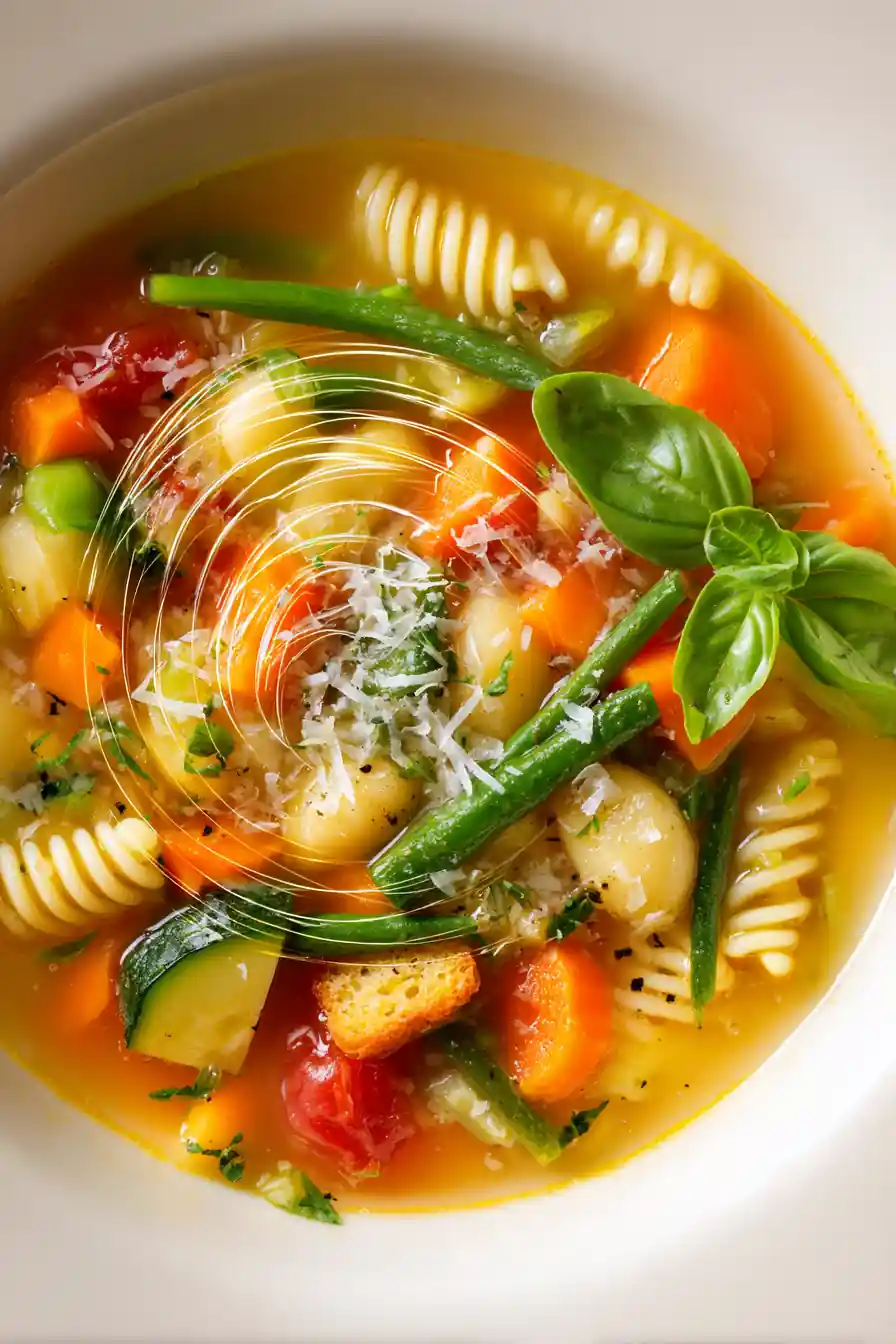
The History and Heart of Minestrone
Minestrone isn’t just a soup; it’s a testament to Italian resourcefulness and the beauty of simple, fresh ingredients. The name itself, derived from the Italian word “minestra” (soup), hints at its humble origins. Traditionally, Minestrone was a “peasant soup,” made with whatever vegetables were available in the garden. It was a way to use up leftover vegetables and create a nourishing, satisfying meal. This spirit of using what you have and celebrating seasonal produce continues to define Minestrone today.
Tips for a Creamier Texture (Without Cream!)
While traditionally Minestrone is a clear broth-based soup, some prefer a slightly creamier texture. You can achieve this without adding any dairy! After the soup has simmered and the pasta is cooked, remove about a cup of the soup (mostly potatoes and beans) and blend it until smooth. Stir the blended mixture back into the pot. This creates a natural thickening effect, adding body and richness to the soup.
Frequently Asked Questions (FAQ)
Can I make Minestrone ahead of time?
Yes! Minestrone actually tastes even better the next day as the flavors have more time to meld. Store it in an airtight container in the refrigerator for up to 3 days.
Can I freeze Minestrone?
Yes, but it’s best to freeze it *before* adding the pasta. The pasta can become mushy when thawed. Add the pasta when reheating the soup.
Is Minestrone vegetarian/vegan?
This recipe is vegetarian. To make it vegan, ensure your vegetable broth is vegan and omit the Parmesan cheese.
Enjoy this classic, comforting bowl of goodness! Don’t forget to save this recipe to Pinterest for later inspiration!
Print
Classic Minestrone Soup
- Total Time: 55 minutes
- Yield: 6 servings
- Diet: Vegetarian
Description
This Minestrone soup is a classic Italian vegetable soup, brimming with fresh seasonal vegetables, beans, and pasta in a flavorful broth. It’s a comforting and nourishing meal perfect for any time of year.
Ingredients
- Extra-Virgin Olive Oil (30 ml / 2 tbsp): Forms the base of the soup.
- Onion (150g / 5oz): Provides a sweet and savory base.
- Garlic (10g / 0.35oz): Adds a pungent aroma.
- Carrots (200g / 7oz): Contributes sweetness and color.
- Celery (120g / 4oz): Adds savory notes.
- Potato (150g / 5oz): Helps thicken the soup.
- Zucchini (150g / 5oz): Adds delicate sweetness.
- Green Beans (100g / 3.5oz): Provides fresh flavor and crunch.
- Canned Diced Tomatoes (400g / 14oz): Provides consistent flavor.
- Cannellini Beans (400g / 14oz): Offers creamy texture and mild flavor.
- Low-Sodium Vegetable Broth (1L / 4 cups): The heart of the soup.
- Ditalini Pasta (120g / 4oz): Adds texture and heartiness.
- Dried Oregano (5ml / 1 tsp): Classic Italian flavor.
- Dried Basil (5ml / 1 tsp): Complements oregano.
- Dried Thyme (2.5ml / ½ tsp): Adds earthy flavor.
- Bay Leaf (1): Infuses aromatic flavor.
- Salt and Pepper: To taste.
- Parmesan Cheese (30g / 2 tbsp): Adds salty, umami flavor.
- Lemon Juice (30ml / 2 tbsp, optional): Brightens flavors.
Optional (plan-ahead): If you’re shopping for the week, I put this into a 4-Week Meal Plan + Grocery Lists so dinner’s already decided before your day gets busy.
Instructions
- Sauté Aromatics: Heat oil, sauté onion, carrots, and celery for 5-6 minutes.
- Infuse Garlic: Stir in garlic for 30 seconds until fragrant.
- Add Vegetables: Add potato, zucchini, and green beans; stir for 2 minutes.
- Simmer Base: Add tomatoes, beans, broth, oregano, basil, thyme, and bay leaf.
- Develop Flavors: Bring to a boil, then simmer for 15 minutes.
- Cook Pasta: Add pasta and simmer for 8-10 minutes until *al dente*.
- Season & Finish: Season with salt and pepper; stir in lemon juice and Parmesan.
Notes
For a creamier texture, blend a cup of the soup (mostly potatoes and beans) and stir back into the pot.
- Prep Time: 20 minutes
- Cook Time: 35 minutes
- Category: Soup
- Method: Simmer
- Cuisine: Italian
Nutrition
- Serving Size: 1.5 cups
- Calories: 250 kcal
- Sugar: 10 g
- Sodium: 400 mg
- Fat: 10 g
- Saturated Fat: 1.5 g
- Unsaturated Fat: 7 g
- Trans Fat: 0 g
- Carbohydrates: 40 g
- Fiber: 10 g
- Protein: 12 g
- Cholesterol: 5 mg