
I love a good shortcut that doesn’t compromise on flavor, and this homemade yakisoba sauce recipe truly delivers. The rich, savory aroma fills my kitchen, promising a delicious, family-friendly meal. It’s perfect for busy weeknights when you need a hearty dinner on the table without fuss. This easy sauce transforms simple noodles and veggies into something truly special.
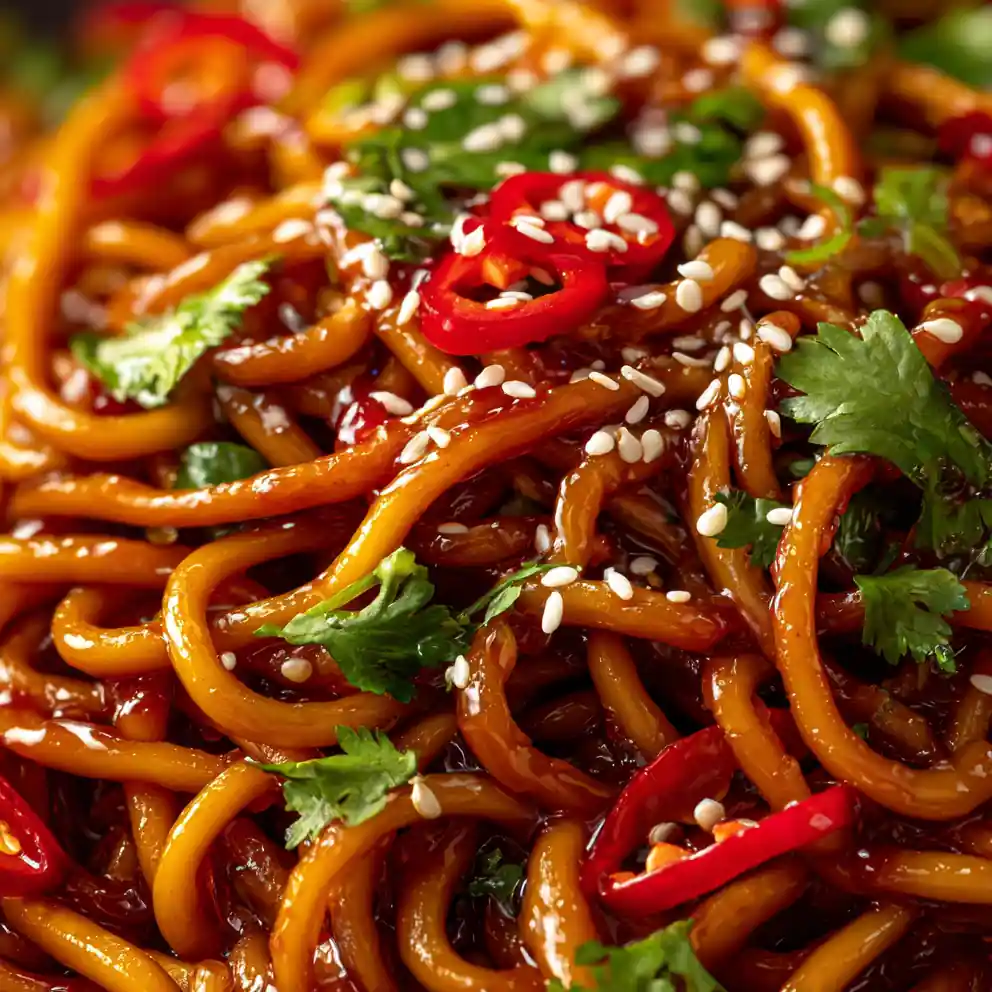
Ingredient Essentials & Substitutions for Your Homemade Yakisoba Sauce
Crafting your own tangy tamarind-chili glaze starts with fresh, quality ingredients, ensuring a robust flavor for your homemade yakisoba sauce recipe. These pantry staples combine to create the perfect balance of sweet, savory, and tangy, elevating any noodle dish.
- 60 ml (1/4 cup) light soy sauce: Forms the savory foundation. (I often use low-sodium soy sauce for better salt control.)
- 30 ml (2 tablespoons) vegetarian oyster sauce (mushroom-based): Adds deep umami. (If you don’t have this, an extra dash of soy sauce and a pinch of sugar can help.)
- 30 ml (2 tablespoons) alcohol-free Worcestershire sauce alternative: Provides tangy depth and complexity.
- 30 ml (2 tablespoons) ketchup: Contributes sweetness, tang, and body.
- 30 ml (2 tablespoons) granulated sugar: Balances the savory and tangy notes.
- 15 ml (1 tablespoon) tamarind paste (seedless concentrate): Delivers a unique, fruity tartness that brightens the sauce.
- 10 ml (2 teaspoons) alcohol-free chili garlic paste: Offers a gentle, aromatic heat.
- 15 ml (1 tablespoon) rice vinegar: Enhances the bright acidity.
- 15 ml (1 tablespoon) toasted sesame oil: Infuses a warm, nutty aroma.
- 5 ml (1 teaspoon) grated fresh ginger: Adds a zesty, fresh warmth.
- 5 ml (1 teaspoon) minced garlic: Builds an aromatic base.
- 15 ml (1 tablespoon) cornstarch: The thickening agent for a glossy consistency.
- 30 ml (2 tablespoons) cold water: Used to create the cornstarch slurry.
- Garnishes: 5 ml (1 teaspoon) toasted white sesame seeds, 15 ml (1 tablespoon) finely chopped fresh cilantro, 2.5 ml (1/2 teaspoon) thinly sliced red chili (seeds removed).
Health-Forward Upgrades
For healthier eating, consider using organic soy sauce and other organic ingredients for a cleaner flavor profile. Opting for low-sodium options across the board helps control your overall salt intake, making this a smart choice for family-friendly meals.
Dietary Adaptations
This yakisoba sauce recipe is incredibly versatile for various dietary needs. For gluten-free cooking, simply swap light soy sauce for tamari. The recipe already uses mushroom-based vegetarian oyster sauce, making it vegan and vegetarian-friendly; for lower sugar, reduce the granulated sugar or use a natural sweetener like maple syrup to taste.
Smart Shopping for Best Taste
When building your pantry, prioritize a good quality naturally brewed soy sauce as it forms the backbone of this yakisoba sauce recipe. Fresh ginger and garlic also make a noticeable difference, adding vibrant notes that dried alternatives can’t match.
Optional (plan-ahead): If you’re shopping for the week, I put this into a 4-Week Meal Plan + Grocery Lists so dinner’s already decided before your day gets busy.
Step-by-Step Cooking Method for Your Quick Yakisoba Sauce Recipe
Making this yakisoba sauce recipe at home is straightforward, transforming basic ingredients into a rich, glossy glaze. My kids love watching the sauce thicken, a sign that dinner is almost ready.
1. Gather Your Ingredients (5 minutes prep)
Measure out all your liquid and dry ingredients into separate small bowls or ramekins. This ‘mise en place’ approach makes assembly smooth and quick, allowing you to focus on the cooking process. You’ll see everything ready to go.
2. Combine the Sauce Base (2 minutes)
In a medium saucepan, whisk together the light soy sauce, vegetarian oyster sauce, alcohol-free Worcestershire sauce, ketchup, granulated sugar, tamarind paste, alcohol-free chili garlic paste, rice vinegar, toasted sesame oil, grated fresh ginger, and minced garlic until well combined. The mixture should appear dark brown and you’ll immediately smell the fragrant aromatics.
3. Prepare Cornstarch Slurry (1 minute)
In a small separate bowl, whisk the cornstarch with the cold water until a smooth slurry forms. This thin, milky mixture is crucial for thickening your yakisoba sauce recipe to that perfect consistency. Set it aside for later use.
4. Simmer and Thicken (3-5 minutes)
Place the saucepan over medium heat; bring the sauce mixture to a gentle simmer, stirring for 2-3 minutes. The flavors will meld, and the sugar will dissolve, creating a slightly sticky feel. Reduce heat to low, then slowly whisk the cornstarch slurry into the simmering sauce to prevent lumps. Continue whisking gently for 1-2 minutes until the sauce thickens to a glossy, coating consistency. If your sauce isn’t thickening enough, whisk for an extra minute or two over low heat, ensuring it coats the back of a spoon.
5. Taste and Adjust (1 minute)
Remove the yakisoba sauce recipe from heat and taste for balance. Add a tiny pinch more sugar if too tangy, or a splash more soy sauce for savory depth. This homemade sauce should be a perfect balance for your noodles.
Serving Ideas and Meal Contexts for Your Yakisoba Sauce
- When to Serve This Amazing Sauce:
- Busy Weeknights: The ultimate shortcut to a quick and flavorful dinner.
- Weekend Comfort Food: Elevate your homemade yakisoba with this fresh sauce.
- Family Dinners: A universally loved flavor that kids and adults enjoy.
- Meal Prep Hero: Make a big batch of yakisoba noodles with this sauce for lunches all week.
- Perfect Pairings:
- With Yakisoba Noodles: Classic choice! Add chicken, shrimp, or tofu and plenty of veggies.
- Stir-fry Sauce: Use this yakisoba sauce recipe as a base for any vegetable or protein stir-fry.
- Marinade: Great for chicken or tofu before grilling or pan-frying.
- Dipping Sauce: Serve alongside spring rolls or potstickers.
- Storage & Reheating Tips:
- In the Fridge: Store leftover yakisoba sauce in an airtight container for up to 1 week. It’s perfect for last-minute meals!
- Freezing: Not recommended for optimal texture and flavor, as ingredients can separate.
- Reheating: If sauce has separated slightly, a quick whisk will bring it back together.
Lifestyle & Nutrition Gains from Your Homemade Yakisoba Sauce
- Healthy Eating Made Easy: By making your yakisoba sauce recipe from scratch, you control the ingredients, avoiding artificial additives and excessive sodium often found in store-bought versions. This supports healthier eating habits.
- Balanced Energy: Pair with whole-wheat noodles and lean protein for a complete meal that keeps you feeling full and energized. This is a great family-friendly option.
- Kid-Friendly Flavor: Its savory-sweet profile is a hit with children, making mealtime smoother.
- Supports Weight Goals: Easily adjust sugar and sodium to fit your dietary needs, contributing to easy healthy dinners that support your goals.
- Versatile for All Diets: Can be made vegan/vegetarian by swapping oyster sauce, or gluten-free with tamari, fitting various dietary preferences including heart-healthy eating plans.
Convenience & Budget Value of Making Yakisoba Sauce at Home
This yakisoba sauce recipe takes only 5-10 minutes to prepare, making it a super quick meal prep component for busy schedules. It’s an ideal solution for easy dinner ideas.
Making your own sauce is significantly cheaper than buying pre-made bottles or ordering takeout. Most ingredients are pantry staples, cutting down on grocery bills.
- Money-Saving Swaps:
- Buy soy sauce and Worcestershire sauce in larger quantities for better value.
- Use fresh garlic and ginger in bulk and freeze any excess for later use.
- Batch Cooking & Meal Prep:
- Double or triple this yakisoba sauce recipe to have on hand for multiple meals throughout the week. Store in the fridge for instant dinner solutions.
- Use it to flavor pre-cooked chicken or tofu for quick additions to salads or wraps.
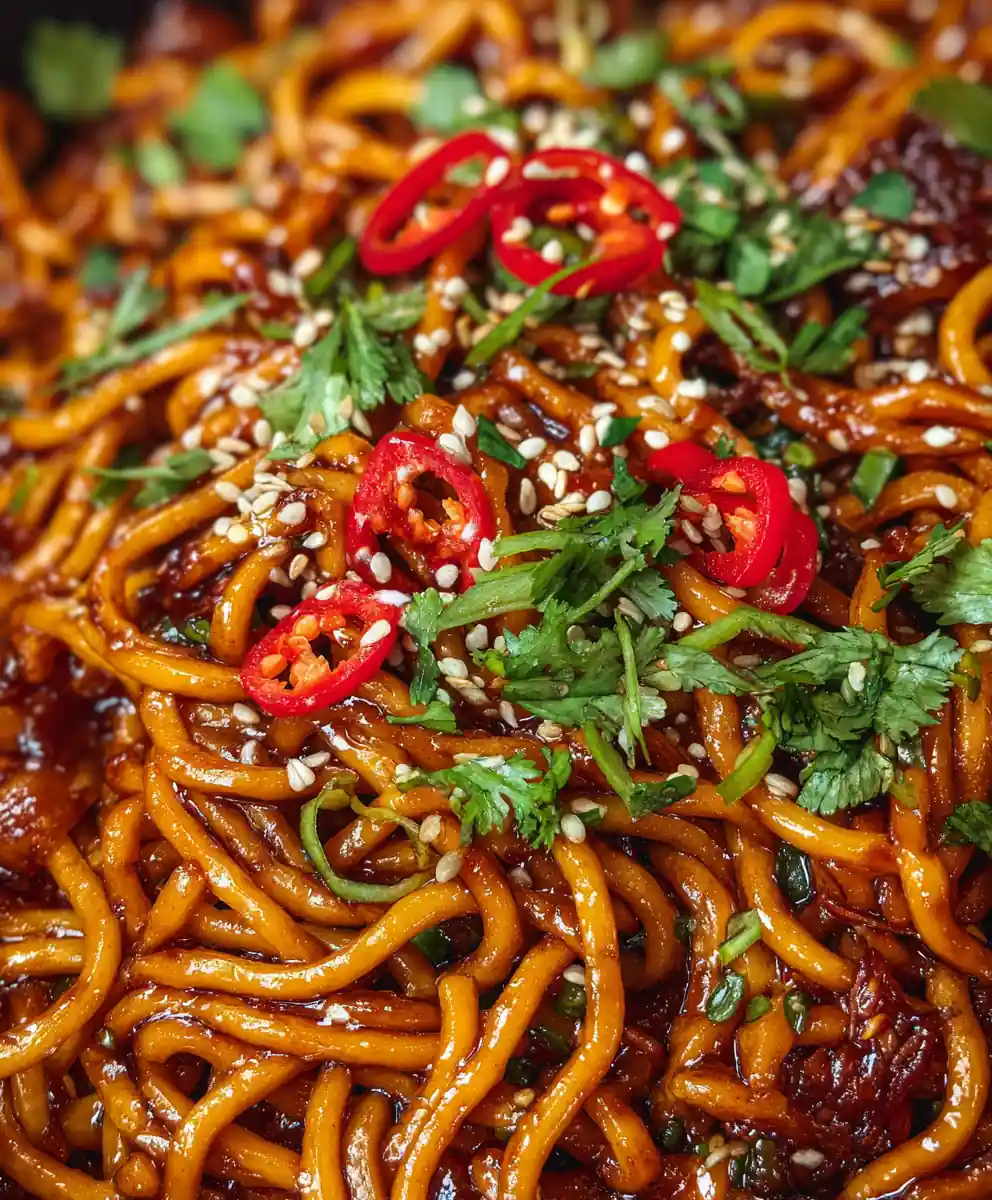
Ingredient Shopping & Online Ordering for Yakisoba Sauce Staples
- Where to Find Your Ingredients:
- Supermarkets: Most major grocery stores carry all the basic ingredients for this yakisoba sauce recipe.
- Asian Grocery Stores: For authentic brands of soy sauce and oyster sauce, these stores offer a wider selection.
- Online Retailers: Amazon, Thrive Market, or specific Asian food websites can deliver specialty items like gluten-free tamari or vegan oyster sauce directly to your door.
- Choosing Quality:
- Soy Sauce: Look for naturally brewed options. Low-sodium varieties are great for controlling salt intake.
- Oyster Sauce: Check for reputable brands. For vegan options, look for mushroom-based varieties.
- Fresh Aromatics: Always opt for fresh garlic and ginger for the best flavor in your homemade yakisoba sauce.
- Specialty Substitutes:
- Health Food Stores: Good source for organic, gluten-free, or low-sodium alternatives.
- Meal Kit Services: While they provide kits, sourcing your own ingredients for this yakisoba sauce recipe is often more economical and flexible.
Expert-Level Tips & Adjustments for Your Best Yakisoba Sauce
- Boosting Flavor Depth:
- Toasted Sesame Oil: Use a higher quality toasted sesame oil for a nuttier, richer flavor in your yakisoba sauce.
- Mirin: Add a splash (1 tsp) of mirin (sweet rice wine) for an extra layer of authentic Japanese sweetness and umami.
- Dashi Powder: A tiny pinch of dashi powder can enhance the savory depth, especially if making a vegan yakisoba sauce.
- Adjusting for Your Palate:
- Spicier Kick: Add a dash of sriracha or red pepper flakes to the sauce mixture for heat.
- Sweeter Profile: Increase the sugar by a teaspoon if you prefer a sweeter yakisoba sauce.
- Less Tangy: Reduce the rice vinegar slightly if you want a milder tang.
- Allergy & Safety Notes:
- Soy Allergy: Unfortunately, soy sauce is a core component. A coconut aminos-based sauce could be an alternative for some but changes the flavor profile significantly.
- Shellfish Allergy: Ensure you use a vegan oyster sauce alternative to avoid shellfish. Always read labels carefully.
FAQs About Making Homemade Yakisoba Sauce
Q: Can this yakisoba sauce recipe be made ahead of time?
A: Absolutely! You can prepare this yakisoba sauce up to a week in advance and store it in an airtight container in the refrigerator. It’s perfect for quick meal prep.
Q: Is this yakisoba sauce recipe healthy?
A: Yes, when made at home, you control the ingredients. Opt for low-sodium soy sauce and adjust sugar levels to make your yakisoba sauce a healthier option compared to store-bought varieties or restaurant dishes.
Q: What’s the best substitute for oyster sauce in this yakisoba sauce?
A: For a vegetarian or vegan option, a mushroom-based ‘oyster’ sauce works wonderfully. You can also increase soy sauce slightly and add a touch of nutritional yeast for umami flavor.
Q: How long does homemade yakisoba sauce last in the fridge?
A: Your homemade yakisoba sauce will stay fresh in the refrigerator for about 5-7 days when stored in a sealed container. A quick whisk often helps if it separates slightly. I always make a double batch for the week.
Q: Can I use this yakisoba sauce for dishes other than yakisoba noodles?
A: Definitely! This versatile yakisoba sauce recipe is excellent for stir-fries, marinades for meats or tofu, or even as a dipping sauce. Get creative with its savory-sweet profile!
Q: Where can I buy fresh ingredients for this yakisoba sauce online?
A: Many online grocers and specialty Asian food websites offer delivery for ingredients like soy sauce, Worcestershire, and even fresh garlic and ginger. Check popular retailers for convenience.
You now have the power to create an incredibly flavorful and versatile homemade yakisoba sauce recipe that elevates any meal. Say goodbye to bland dinners and hello to delicious, easy weeknight cooking. Pin this essential yakisoba sauce recipe to your meal plan board and get ready to enjoy amazing Japanese flavors at home!
Print
yakisoba sauce recipe
- Total Time: 16 minutes
- Yield: about 1 cup of sauce (4–6 servings) 1x
- Diet: Vegetarian, Vegan, Gluten-Free Option
Description
This homemade yakisoba sauce recipe offers a rich, savory, and tangy flavor, perfect for transforming simple noodles and vegetables into a delicious, family-friendly meal on busy weeknights.
Ingredients
- 0.25 cup light soy sauce (use low-sodium for better salt control)
- 2 tablespoons vegetarian oyster sauce (mushroom-based; substitute: extra dash of soy sauce and a pinch of sugar)
- 2 tablespoons alcohol-free Worcestershire sauce alternative
- 2 tablespoons ketchup
- 2 tablespoons granulated sugar
- 1 tablespoon tamarind paste (seedless concentrate)
- 2 teaspoons alcohol-free chili garlic paste
- 1 tablespoon rice vinegar
- 1 tablespoon toasted sesame oil
- 1 teaspoon grated fresh ginger
- 1 teaspoon minced garlic
- 1 tablespoon cornstarch
- 2 tablespoons cold water
- 1 teaspoon toasted white sesame seeds, for garnish
- 1 tablespoon finely chopped fresh cilantro, for garnish
- 0.5 teaspoon thinly sliced red chili (seeds removed), for garnish
Optional (plan-ahead): If you’re shopping for the week, I put this into a 4-Week Meal Plan + Grocery Lists so dinner’s already decided before your day gets busy.
Instructions
- Gather Ingredients: Measure out all liquid and dry ingredients into separate small bowls or ramekins to prepare for assembly.
- Combine Sauce Base: In a medium saucepan, whisk together the light soy sauce, vegetarian oyster sauce, alcohol-free Worcestershire sauce, ketchup, granulated sugar, tamarind paste, alcohol-free chili garlic paste, rice vinegar, toasted sesame oil, grated fresh ginger, and minced garlic until well combined.
- Prepare Cornstarch Slurry: In a small separate bowl, whisk the cornstarch with the cold water until a smooth, thin slurry forms. Set aside.
- Simmer and Thicken: Place the saucepan over medium heat; bring the sauce mixture to a gentle simmer, stirring for 2-3 minutes until flavors meld and sugar dissolves. Reduce heat to low, then slowly whisk the cornstarch slurry into the simmering sauce. Continue whisking gently for 1-2 minutes until the sauce thickens to a glossy, coating consistency.
- Taste and Adjust: Remove the sauce from heat and taste for balance. Add a tiny pinch more sugar if too tangy, or a splash more soy sauce for savory depth as needed.
Notes
For healthier eating, use organic and low-sodium ingredients. For gluten-free cooking, swap light soy sauce for tamari. This recipe is already vegan and vegetarian-friendly. Prioritize good quality naturally brewed soy sauce, fresh ginger, and garlic for the best taste.
- Prep Time: 5 minutes
- Cook Time: 11 minutes
- Category: Sauce, Condiment
- Method: Stovetop
- Cuisine: Japanese
Nutrition
- Serving Size: 2 tablespoons (30 ml)
- Calories: 50 calories
- Sugar: 8 g
- Sodium: 550 mg
- Fat: 4 g
- Saturated Fat: 1 g
- Unsaturated Fat: 3 g
- Trans Fat: 0 g
- Carbohydrates: 12 g
- Fiber: 0 g
- Protein: 1 g
- Cholesterol: 0 mg
FREE PRINTABLE RECIPE
Get the Printable Recipe PDF (Free)
Enter your email and we’ll send you the ingredients + step-by-step instructions as a clean PDF you can save to your phone.
- ✅ Printable PDF (ingredients + steps)
- ✅ Save it to your phone (no long scrolling)
- ✅ Includes cook time + servings
- ✅ Easy to follow
FAQ
Where’s the full recipe?
It’s delivered as a printable PDF so you can save it and cook without scrolling.
I didn’t get the email.
Check Spam/Promotions and search your inbox for your site name. Then click Confirm to receive the PDF.