
I find such joy in making things from scratch, and a good homemade kimchi recipe is truly a game-changer for mealtime. The vibrant, spicy aroma that fills my kitchen when I’m making it is just incredible. This classic fermented dish offers a delightful tang and crunch, perfect for families looking for healthy, flavorful additions to their plates. It’s a fantastic way to boost gut health without relying on expensive store-bought options. This recipe makes a generous batch, ensuring we always have some on hand for easy dinner ideas throughout the week.
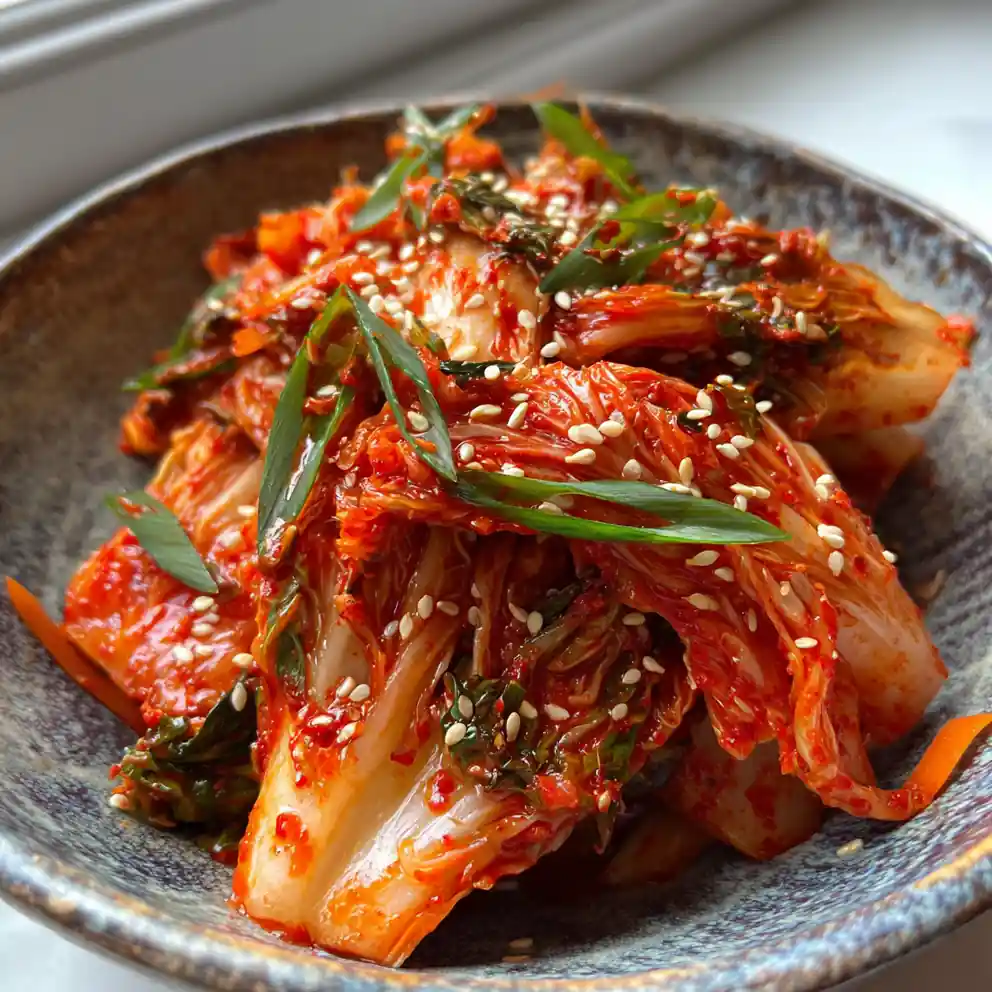
Ingredient Blueprint for Flavorful Homemade Kimchi
Core ingredients with measurements and role in the recipe:
Gathering the right components is key to a successful homemade kimchi recipe. Here are the main items you’ll need, along with their purpose:
- Napa Cabbage: 2.5 kg (5.5 lb), quartered and cored. This is the crisp base for authentic kimchi.
- Coarse Sea Salt: 120 g (½ cup), plus more. Essential for brining and drawing out moisture.
- Daikon Radish: 150 g (5.3 oz), julienned. Adds a refreshing crunch and slight peppery note.
- Carrots: 100 g (3.5 oz), julienned. Provides sweetness and color (I sometimes use a mix of orange and purple carrots for fun).
- Scallions: 60 g (2.1 oz), green parts only, 5 cm (2 inch) pieces. Offers a mild oniony freshness.
- Water & Glutinous Rice Flour: 60 ml (¼ cup) water, 15 g (2 tablespoons) flour. Creates the sticky porridge binder for the paste (you can swap with regular rice flour for gluten-free).
- Yellow Onion: 80 g (2.8 oz), roughly chopped. Contributes aromatic depth and sweetness.
- Fresh Ginger: 50 g (1.8 oz), peeled and chopped. Adds a warming, zesty kick.
- Roasted Garlic Cloves: 80 g (2.8 oz) from 2-3 heads. A rich, mellow garlic flavor that’s a cornerstone of this recipe (fresh garlic can be used, but roasting makes it so much milder and sweeter).
- Gochugaru (Korean Chili Flakes): 100 g (3.5 oz), medium hot. The iconic spice and vibrant red color; adjust to your heat preference.
- Smoked Paprika: 15 g (1 tablespoon). Adds a unique smoky depth to the traditional flavor profile.
- Fish Sauce: 60 ml (¼ cup). Provides a crucial umami punch (for a vegan option, use a good quality soy sauce or tamari).
- Maple Syrup: 30 ml (2 tablespoons). Balances the flavors with a touch of natural sweetness (honey or sugar also works).
Premium options:
For the best flavor and a truly exceptional homemade kimchi, opt for organic Napa cabbage and daikon radish. Selecting fresh, vibrant gochugaru from an Asian market also ensures richer color and spice intensity.
Substitutions for major diet styles:
Adapting your homemade kimchi recipe for various diets is straightforward:
- Vegan: Omit fish sauce; use a quality tamari or mushroom broth for umami.
- Gluten-Free: Ensure your fish sauce and tamari (if using) are certified gluten-free.
- Low-Sodium: Carefully reduce salt in the paste; focus on thorough rinsing of the brined cabbage.
Notes on freshness, seasonality, or sourcing:
Always choose firm, unblemished Napa cabbage. Fresh ginger and garlic will provide the most potent flavor. Sourcing gochugaru from a dedicated Asian grocery store often yields superior quality.
Optional (plan-ahead): If you’re shopping for the week, I put this into a 4-Week Meal Plan + Grocery Lists so dinner’s already decided before your day gets busy.
Step-by-Step Homemade Kimchi Recipe Instructions
Making your own delicious homemade kimchi recipe is a rewarding process. Follow these steps for a flavorful batch:
1. Brine the Cabbage:
Cut Napa cabbage into 5-7 cm pieces. Layer it in a large bowl, sprinkling 120g (½ cup) coarse sea salt evenly. Let it soften for 1.5-2 hours, tossing every 30 minutes, until visibly watery. Rinse 3-4 times thoroughly under cold water, then squeeze dry and drain for 30 minutes to remove excess moisture. If your kimchi is overly salty, increase your rinsing efforts; the goal is clean-tasting cabbage.
2. Make the Porridge:
Whisk 60 ml (¼ cup) water with 15 g (2 tablespoons) glutinous rice flour in a small saucepan. Heat over medium-low for 2-3 minutes, stirring constantly until it thickens into a translucent, sticky paste, then cool completely.
3. Prepare the Paste:
Roast 2-3 garlic heads at 200°C (400°F) for 40-50 minutes until soft, then cool and squeeze out 80g (2.8 oz) cloves. In a food processor, combine cooled rice porridge, roasted garlic, onion, ginger, gochugaru, smoked paprika, fish sauce, and maple syrup; process until a thick, smooth, deeply colored paste forms.
4. Mix Veggies:
In a very large bowl, combine the thoroughly drained cabbage, 150g (5.3 oz) julienned daikon radish, 100g (3.5 oz) julienned carrots, and 60g (2.1 oz) cut scallions. This is a great place to use a large mixing bowl; ensure everything is ready for the paste.
5. Combine & Coat:
Wearing food-safe gloves, add the Smoked Paprika & Roasted Garlic paste to the mixed vegetables in the bowl. Thoroughly mix, ensuring every piece of cabbage and vegetable is evenly coated with the glossy, rich red paste.
6. Ferment:
Firmly pack the homemade kimchi into clean, airtight glass jars, pressing down to remove air pockets and submerge vegetables, leaving 2.5 cm (1 inch) headspace. Loosely cover and ferment at cool room temperature (18-22°C / 65-72°F) for 2-5 days, or until desired sourness and visible bubbling; ‘burp’ jars daily, then refrigerate when ready to enjoy for weeks.
Inline modifications for diet preferences:
Adjusting your homemade kimchi recipe for dietary needs is simple: For less spice, reduce the amount of gochugaru to your family’s preference. For a firmer texture, refrigerate your kimchi sooner rather than later to slow down the fermentation process.
Troubleshooting tips for common issues:
If your ferment seems too salty, ensure you thoroughly rinse the cabbage after brining. If it’s not fermenting, move jars to a slightly warmer spot (18-22°C) and confirm lids are airtight to encourage bacterial activity.
When to Enjoy Your Homemade Kimchi
Our homemade kimchi recipe adds a vibrant touch to so many meals. It’s perfect for fast weeknight dinners, enlivens healthy school lunches, and makes a fantastic side dish for holiday gatherings or BBQs. It’s even a flavorful, probiotic-rich snack!
- Ideal Pairings: Enjoy your kimchi alongside steamed rice, ramen noodles, grilled meats, savory pancakes, or scrambled eggs. It also shines when cooked into hearty stews like kimchi jjigae.
- Storage & Reheating: Store this easy homemade kimchi in airtight containers in the fridge for 1–3 months. While freezing isn’t ideal for fresh kimchi’s texture, fermented kimchi can be frozen for cooking purposes. Kimchi is typically served cold or used directly in cooked dishes.
Nutrition & Lifestyle Value of Homemade Kimchi
This traditional side offers incredible benefits, making it a healthy eating essential for any family.
- Gut Health Powerhouse: Making homemade kimchi packs your diet with beneficial probiotics, crucial for improved digestion and a strong immune system.
- Weight Management Friendly: Low in calories and high in fiber, kimchi is a satisfying, nutrient-dense addition that supports a balanced diet.
- Rich in Vitamins: You’ll get a good source of Vitamins A, C, and K, along with essential minerals, all from this simple lacto-fermented vegetable side.
- Kid-Approved (with modifications): It’s a fun way to introduce healthy fermented foods. My kids often ask for a milder version, so I sometimes make a small batch of this homemade kimchi with less gochugaru for them, perfect for their family-friendly plates.
- Diet Compatibility: Our easy homemade kimchi recipe is naturally Paleo and generally Keto-friendly. It’s also easily adapted for Vegetarian and Vegan diets by making simple ingredient swaps.
Time & Budget Insights for Making Kimchi at Home
Making your own homemade kimchi is a rewarding process that also offers great value compared to store-bought options.
- Prep/Cook Time Breakdown:
• Active Prep: ~1 hour (chopping, mixing paste)
• Brining Time: ~2–4 hours
• Fermentation Time: ~1–5 days (until desired sourness) - Cost Savings: A large batch of this homemade kimchi recipe costs approximately $10–15, yielding 4–6 jars. This is significantly cheaper than buying individual jars. Save even more by purchasing napa cabbage when it’s on sale.
- Meal Prep Ready: This recipe is ideal for meal prep. Make a generous batch once, and enjoy its vibrant flavor and health benefits in various quick, healthy dinners throughout the week.
Ingredient Shopping & Premium Picks for Authentic Kimchi
Sourcing the right ingredients is key to an authentic and delicious homemade kimchi recipe.
- Where to Buy: Asian grocery stores are your best bet for gochugaru and Korean radish. Major supermarkets typically carry napa cabbage, garlic, and ginger. Farmers markets are excellent for fresh, seasonal produce, which can elevate your kimchi’s flavor.
- Freshness Matters: Always opt for fresh napa cabbage and other vegetables. For the best color and balanced spice in your homemade kimchi, use fresh, vibrant gochugaru.
- Premium Options: Consider using organic produce from specialty stores or online delivery services for truly premium ingredients in your homemade kimchi.
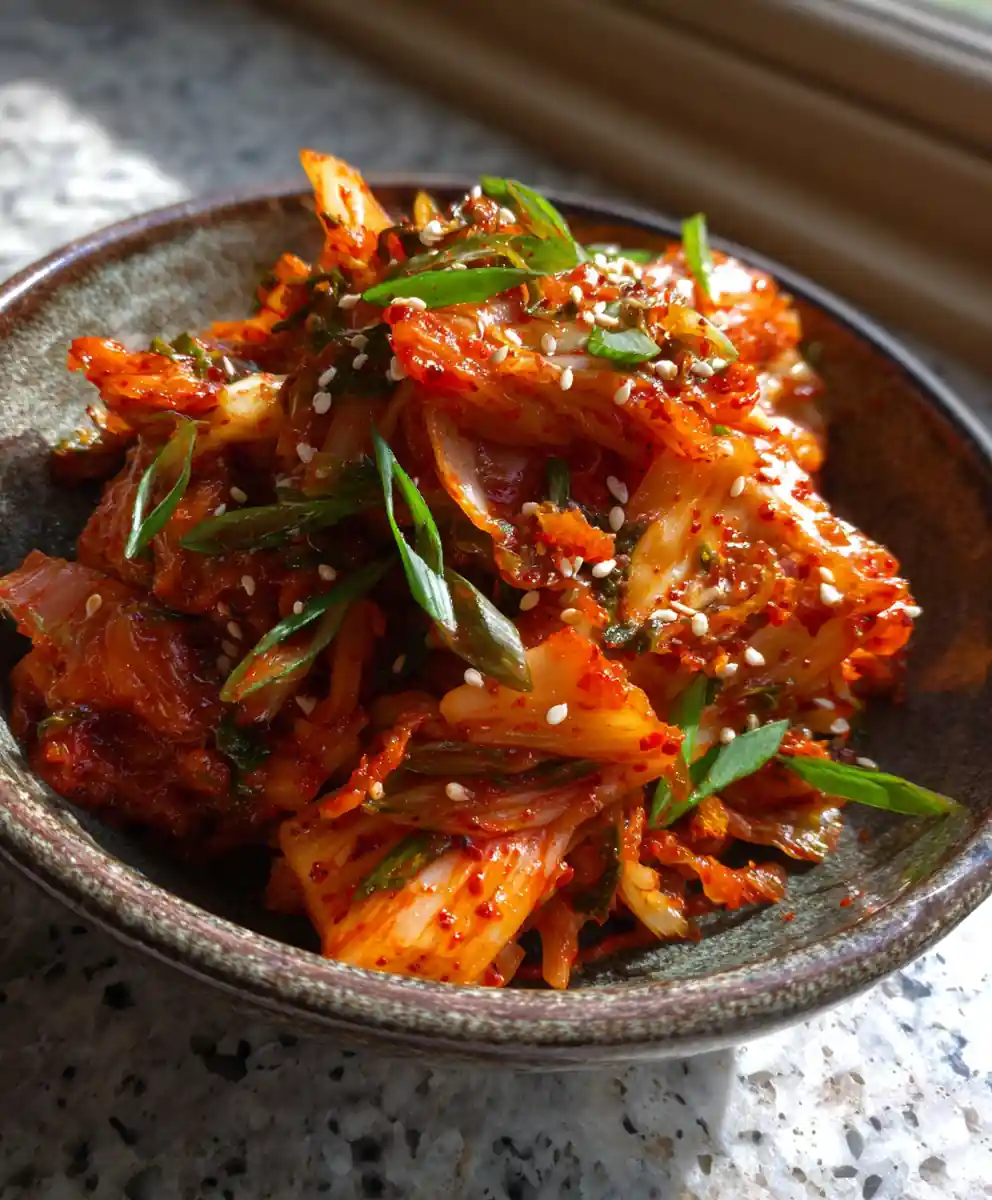
Advanced Tips & Customizations for Your Kimchi Recipe
Elevate your homemade kimchi further with these simple tweaks and variations.
- Upgrades: For a touch of natural sweetness, grate an Asian pear or apple into the paste. Boost nutrition by adding extra shredded daikon radish or carrots to your homemade kimchi.
- Flavor Variations: Easily adjust the gochugaru for your desired spice level. You can also explore “white kimchi” (no chili) or make a quick cucumber kimchi for variety.
- Allergy & Diet Swaps: Use tamari for a gluten-free option. For a vegan homemade kimchi recipe, omit the fermented shrimp paste and enhance umami with soy sauce, tamari, or a dash of mushroom powder.
FAQs About Making Homemade Kimchi
Can I use this homemade kimchi recipe for meal prep?
Yes, absolutely! Making a big batch of this homemade kimchi recipe is perfect for meal prep. Store it in the fridge and enjoy its fresh, tangy flavor with meals all week long, adding convenience to your healthy eating routine.
Is homemade kimchi suitable for weight loss?
Yes, homemade kimchi is an excellent choice for weight loss. It’s low in calories, high in fiber, and packed with gut-friendly probiotics, making it a satisfying and healthy addition to any diet focused on shedding pounds.
How long does homemade kimchi last in the fridge?
Properly stored homemade kimchi can last 1–3 months in the refrigerator. Its flavor will deepen and become more sour over time, evolving into an even more complex and delicious condiment for your family dinners.
Can I make this homemade kimchi recipe less spicy?
Yes, you can easily reduce the amount of gochugaru (Korean chili flakes) in the paste to achieve a milder, family-friendly flavor. Start with half the amount and taste before adding more to find your perfect balance.
Where can I buy organic gochugaru online?
For organic Korean chili flakes, check Amazon, specialty Korean food websites, or through organic food online retailers. I find that ordering gochugaru from a dedicated Korean grocery online ensures the best freshness and color for my homemade kimchi.
What are the signs of good fermentation for my homemade kimchi?
Good fermentation typically shows small bubbles appearing in the jar, a pleasant sour and tangy smell, and a slightly softened texture of the cabbage after a few days at room temperature. These are all indicators your homemade kimchi is developing perfectly.
Conclusion
Enjoy the amazing taste, gut-boosting benefits, and affordability of making your own homemade kimchi. It’s a rewarding culinary adventure for your family, bringing fresh flavors to your table! Pin this homemade kimchi recipe, print it out, and plan to make your first batch this weekend!
Print
homemade kimchi recipe
- Total Time: 160 minutes
- Yield: Several jars (approx. 4.5 liters or 1 gallon)
- Diet: General (Vegan, Gluten-Free, Low-Sodium adaptable)
Description
This homemade kimchi recipe offers a delightful tang and crunch, perfect for boosting gut health with vibrant, spicy flavors. It’s a classic fermented dish that makes a generous batch for healthy meal additions.
Ingredients
- 2.5 kg Napa cabbage, quartered and cored
- 120 g coarse sea salt, plus more for taste
- 150 g daikon radish, julienned
- 100 g carrots, julienned (can use a mix of orange and purple)
- 60 g scallions, green parts only, 5 cm (2 inch) pieces
- 60 ml water
- 15 g glutinous rice flour (can swap with regular rice flour for gluten-free)
- 80 g yellow onion, roughly chopped
- 50 g fresh ginger, peeled and chopped
- 80 g roasted garlic cloves (from 2–3 heads, fresh garlic can be used)
- 100 g Gochugaru (Korean chili flakes), medium hot (adjust to heat preference)
- 15 g smoked paprika
- 60 ml fish sauce (for a vegan option, use good quality soy sauce or tamari)
- 30 ml maple syrup (honey or sugar also works)
Optional (plan-ahead): If you’re shopping for the week, I put this into a 4-Week Meal Plan + Grocery Lists so dinner’s already decided before your day gets busy.
Instructions
- Brine The Cabbage: Cut Napa cabbage into 5-7 cm pieces. Layer in a large bowl, sprinkling 120 g (0.5 cup) coarse sea salt evenly. Let soften for 1.5-2 hours, tossing every 30 minutes, until visibly watery. Rinse 3-4 times thoroughly under cold water, then squeeze dry and drain for 30 minutes to remove excess moisture.
- Make The Porridge: Whisk 60 ml (0.25 cup) water with 15 g (2 tablespoons) glutinous rice flour in a small saucepan. Heat over medium-low for 2-3 minutes, stirring constantly until it thickens into a translucent, sticky paste, then cool completely.
- Prepare The Paste: Roast 2-3 garlic heads at 200 degrees C (400 degrees F) for 40-50 minutes until soft, then cool and squeeze out 80 g (2.8 oz) cloves. In a food processor, combine cooled rice porridge, roasted garlic, onion, ginger, gochugaru, smoked paprika, fish sauce, and maple syrup; process until a thick, smooth, deeply colored paste forms.
- Mix The Veggies: In a very large bowl, combine the thoroughly drained cabbage, 150 g (5.3 oz) julienned daikon radish, 100 g (3.5 oz) julienned carrots, and 60 g (2.1 oz) cut scallions.
- Combine And Coat: Wearing food-safe gloves, add the paste to the mixed vegetables in the bowl. Thoroughly mix, ensuring every piece of cabbage and vegetable is evenly coated with the glossy, rich red paste.
- Ferment The Kimchi: Firmly pack the homemade kimchi into clean, airtight glass jars, pressing down to remove air pockets and submerge vegetables, leaving 2.5 cm (1 inch) headspace. Loosely cover and ferment at cool room temperature (18-22 degrees C / 65-72 degrees F) for 2-5 days, or until desired sourness and visible bubbling; ‘burp’ jars daily, then refrigerate when ready to enjoy for weeks.
Notes
Always choose firm, unblemished Napa cabbage. Fresh ginger and garlic provide the most potent flavor. Sourcing gochugaru from a dedicated Asian grocery store often yields superior quality. For less spice, reduce gochugaru. For a firmer texture, refrigerate sooner to slow fermentation. If too salty, ensure thorough rinsing after brining. If not fermenting, move jars to a warmer spot (18-22 degrees C) and confirm airtight lids.
- Prep Time: 100 minutes
- Cook Time: 45 minutes
- Category: Side Dish
- Method: Fermentation
- Cuisine: Korean
Nutrition
- Serving Size: 80 g
- Calories: 25 calories
- Sugar: 2 g
- Sodium: 450 mg
- Fat: 0.5 g
- Saturated Fat: 0.1 g
- Unsaturated Fat: 0.2 g
- Trans Fat: 0 g
- Carbohydrates: 5 g
- Fiber: 2 g
- Protein: 1 g
- Cholesterol: 0 mg
FREE PRINTABLE RECIPE
Get the Printable Recipe PDF (Free)
Enter your email and we’ll send you the ingredients + step-by-step instructions as a clean PDF you can save to your phone.
- ✅ Printable PDF (ingredients + steps)
- ✅ Save it to your phone (no long scrolling)
- ✅ Includes cook time + servings
- ✅ Easy to follow
FAQ
Where’s the full recipe?
It’s delivered as a printable PDF so you can save it and cook without scrolling.
I didn’t get the email.
Check Spam/Promotions and search your inbox for your site name. Then click Confirm to receive the PDF.