
I’ve found that the secret to getting my kids (and husband) excited about eating greens is a really great dressing.
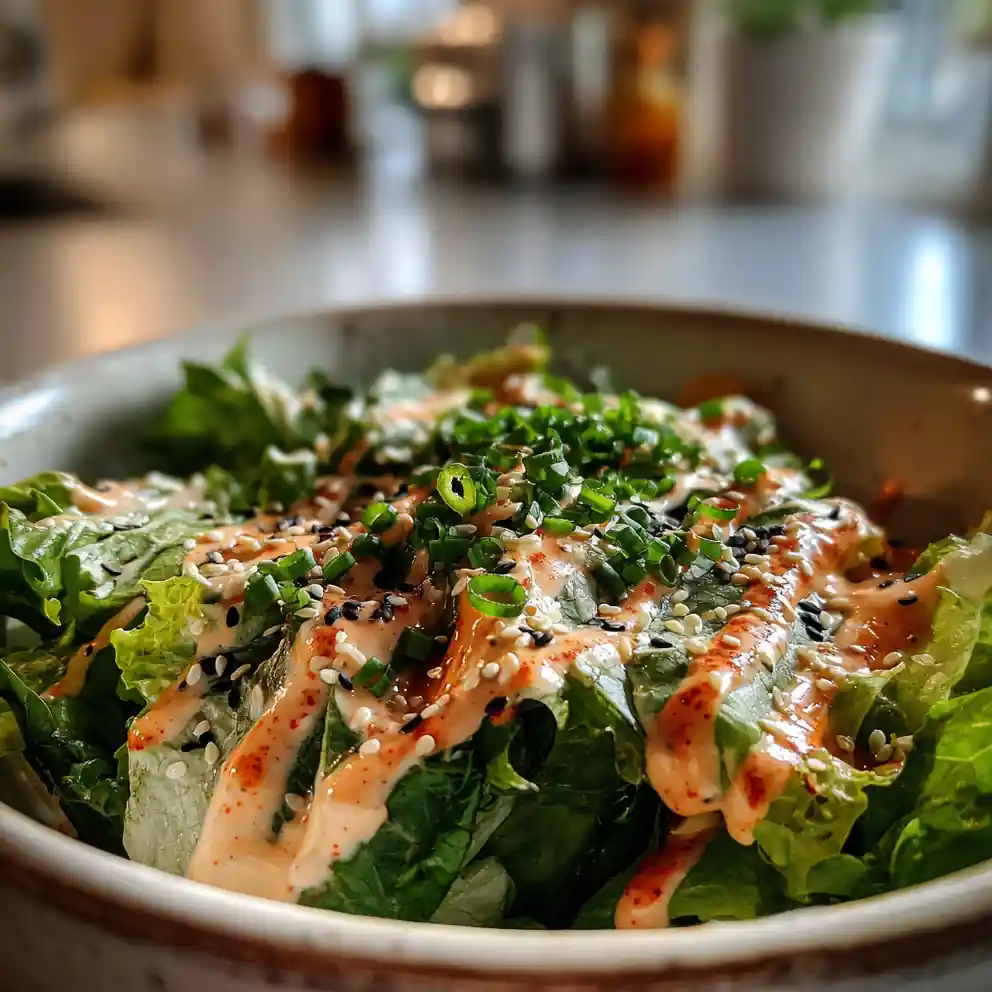
This creamy, savory **miso salad dressing recipe** transforms simple greens into something special and flavorful. The secret is a quick blend in the food processor, creating a silky base with incredible depth from ginger and sesame. This particular version adds a unique twist: a vibrant gochujang swirl that brings a gentle heat and beautiful color. It’s faster and more flavorful than store-bought options, and once you make this **miso salad dressing recipe**, you’ll want to keep a batch ready in the fridge. This simple recipe takes just minutes and requires only common pantry staples, making weeknight meals a breeze.
Ingredients
- Miso Paste (60 g / 1/4 cup): This fermented soybean paste provides the savory, umami-rich foundation of the dressing. White miso is milder and slightly sweet, while yellow miso offers a more pronounced flavor. Avoid dark red miso as it can be too overpowering.
- Rice Vinegar (45 ml / 3 tbsp): The primary acidic element, essential for cutting through the richness of the miso and sesame oil. Use unseasoned rice vinegar for a clean flavor profile. You can substitute apple cider vinegar in a pinch, but the flavor will be less authentic.
- Toasted Sesame Oil (30 ml / 2 tbsp, plus 1 tbsp for swirl): Provides a deep, nutty aroma and flavor that defines the dressing’s character. Make sure to use *toasted* sesame oil; untoasted (cold-pressed) sesame oil has a much milder flavor.
- Soy Sauce (15 ml / 1 tbsp): Adds saltiness and enhances the umami notes from the miso. For a gluten-free option, substitute tamari, which offers a similar flavor profile without the wheat.
- Maple Syrup (15 ml / 1 tbsp, plus 1 tsp for swirl): Balances the savory and acidic elements with natural sweetness. Use real maple syrup, not pancake syrup. Agave nectar or honey can be used as a substitute if necessary.
- Fresh Ginger (10 g / 1-inch piece): Adds a sharp, warm spice that brightens the dressing. Use fresh ginger for optimal flavor; dried ginger powder will not provide the same bright notes.
- Filtered Water (60 ml / 1/4 cup, plus more if needed): Thins the dressing to the right pourable consistency; essential for a lighter, more versatile dressing. Start with the initial amount and slowly add more if needed to reach your preferred thickness.
- Gochujang (15 g / 1 tbsp): Korean chili paste that creates the beautiful swirl and introduces a complex, mild heat. This ingredient is for the swirl, ensuring the heat is layered rather than fully incorporated into the base dressing.
- Fresh Lime Juice (5 ml / 1 tsp): A bright, acidic component used specifically in the gochujang swirl mixture. Freshly squeezed lime juice provides a zesty note that cuts through the richness of the gochujang and sesame oil.
- Toasted Sesame Seeds (5 g / 1 tsp): For garnish.
- Fresh Chives (5 g / 1 tbsp): For garnish.
Optional (plan-ahead): If you’re shopping for the week, I put this into a 4-Week Meal Plan + Grocery Lists so dinner’s already decided before your day gets busy.
Instructions
- Blend the main dressing base: In a high-speed blender or food processor, combine the miso paste, rice vinegar, 2 tablespoons of toasted sesame oil, soy sauce (or tamari), 1 tablespoon of maple syrup, grated ginger, and 1/4 cup of filtered water. Blend on high for 30 seconds to 1 minute until the mixture is completely smooth and creamy. The goal here is to achieve a silky texture, ensuring all the ginger fibers are broken down and the miso paste is fully incorporated.
- Adjust the consistency: Open the blender and check the thickness of the dressing. If it appears too thick for a salad, add an additional 1-2 tablespoons of water, one tablespoon at a time. Blend briefly after each addition until the dressing easily coats the back of a spoon and pours smoothly. If the dressing still looks grainy or separated after adding water, blend for another 30 seconds to fully emulsify the ingredients.
- Prepare the gochujang swirl: In a separate small bowl, combine the gochujang, remaining 1 tablespoon of toasted sesame oil, 1 teaspoon of maple syrup, and the fresh lime juice. Whisk thoroughly until the mixture forms a smooth, vibrant red paste. This separate mixture prevents the gochujang from fully coloring the entire **miso salad dressing recipe** and allows for the swirl effect when serving.
- Create the swirl effect: Pour the finished creamy **miso salad dressing recipe** base into a clear glass jar or a clean squeeze bottle, leaving a little space at the top. Carefully drizzle the red gochujang mixture over the top of the miso base. Using a skewer or spoon handle, gently make 2-3 swirls through the dressing to create distinct ribbons and streaks without fully incorporating it.
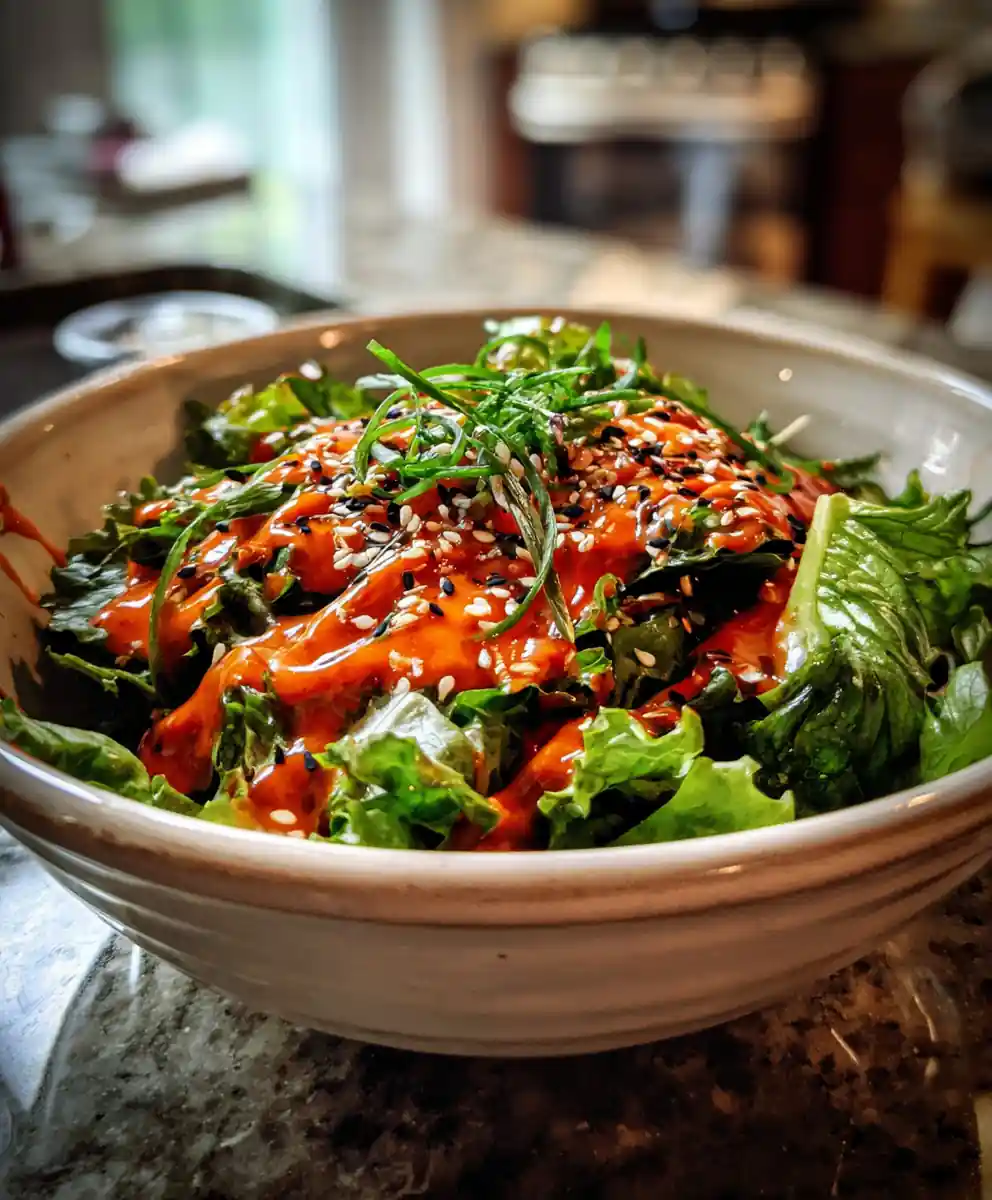
- Serve and garnish: To serve, drizzle generously over your favorite crisp green salad or roasted vegetables; the contrasting colors of the red swirl against the pale dressing make for an attractive presentation. For visual impact, serve the salad in a wide, shallow bowl. Garnish the finished dish with toasted sesame seeds and finely chopped fresh chives for texture and a fresh finish.
Making It Your Own: Flavor Swaps and Customizations
This miso salad dressing recipe offers a great base for experimentation. Here are some simple ways to tailor the flavor to suit your specific preferences and make it a healthy staple in your home.
- Adjusting the heat level: The gochujang swirl adds gentle heat. If you prefer a spicier miso salad dressing recipe, add 1/4 teaspoon of sriracha to the main dressing base before blending. Omit gochujang entirely for a non-spicy version.
- Adding extra creaminess: For a thicker dressing that’s perfect for grain bowls, add 1-2 tablespoons of tahini or almond butter to the main base before blending. This makes it a fantastic dipping sauce for spring rolls or dumplings.
- Quick garlic addition: If you enjoy savory garlic flavor, add one small clove of fresh minced garlic to the blender with the main dressing ingredients. Use 1/4 teaspoon of garlic powder for a milder flavor.
- Sweetener alternatives: If you don’t have maple syrup, you can substitute 1-2 teaspoons of honey, agave nectar, or brown sugar to achieve a similar balance of sweetness. Adjust the amount required based on your preference.
How to Serve This Versatile Miso Dressing (Beyond Salads)
This versatile dressing is a great way to make quick meals more exciting. It goes far beyond leafy greens and pairs well with a variety of textures and ingredients for easy dinner ideas.
- Family-favorite grain bowls: Drizzle generously over warm quinoa or rice bowls topped with roasted sweet potatoes, edamame, avocado, and crispy tofu or chicken.
- Marinade for proteins: Use this creamy miso dressing as a marinade for chicken thighs or firm tofu before grilling or baking. The miso helps to tenderize the protein and adds incredible depth of flavor.
- Roasted vegetable glaze: Brush the dressing over roasted broccoli, green beans, or asparagus during the last few minutes of cooking. The high heat caramelizes the maple syrup and miso for a delicious glaze.
- Dipping sauce: Serve this thick dressing alongside spring rolls, chicken skewers, or even as a unique dipping sauce for crispy French fries or sweet potato wedges. It’s a great high-protein snack addition.
FAQs
What kind of miso paste should I use for this recipe?
Use white or yellow miso paste, which are milder varieties. Avoid dark red or barley miso, as they have a much stronger, saltier flavor that can overwhelm the dressing.
Is this dressing gluten-free?
Yes, this miso salad dressing recipe can be made gluten-free by ensuring you use tamari instead of standard soy sauce. Also, double-check that your miso paste and gochujang do not contain hidden gluten ingredients.
Can I make this miso dressing ahead of time for meal prep?
Yes, this dressing is perfect for meal prep. Store it in an airtight jar in the refrigerator for up to 5 days. Shake well before serving, as the ingredients may separate slightly. I always make a double batch on Sundays for easy healthy eating throughout the week.
How do I get the perfect swirl effect when serving?
The key is to create the swirl just before serving, not in advance. Drizzle the gochujang mixture on top of the dressing base, then use a spoon handle or skewer to gently swirl 2-3 times to create ribbons without fully mixing them.
What should I do if my dressing is too thick or too thin?
If the dressing is too thick, add a tablespoon of water at a time until it reaches the desired pourable consistency. If it’s too thin, add a tablespoon of tahini or extra miso paste to thicken it up.
What other ingredients can I add to this recipe?
You can enhance the flavor further by adding fresh minced garlic, a teaspoon of toasted sesame seeds to the base, or a pinch of red pepper flakes for extra heat to this family-friendly dressing.
Conclusion
This easy miso salad dressing recipe will change the way you look at salads forever. It’s a simple, versatile condiment perfect for family dinners. Make this vibrant dressing tonight and see how it turns basic meals into family favorites. Don’t forget to save this recipe for later and share it with friends who love easy, flavorful home cooking!
Print
miso salad dressing recipe
- Total Time: 10 minutes
- Yield: 1 cup (8 servings) 1x
- Diet: Vegetarian, Vegan, Gluten-Free
Description
This creamy and savory miso salad dressing features a vibrant gochujang swirl, adding a gentle heat and beautiful color. Made with white miso paste, sesame oil, and ginger, it creates a silky base perfect for enhancing salads, roasted vegetables, or grain bowls.
Ingredients
- 1/4 cup white or yellow miso paste
- 3 tbsp unseasoned rice vinegar
- 3 tbsp toasted sesame oil, divided
- 1 tbsp soy sauce (or tamari for gluten-free)
- 1 tbsp + 1 tsp maple syrup, divided
- 1-inch piece fresh ginger, grated
- 1/4 cup filtered water, plus more as needed
- 1 tbsp gochujang (Korean chili paste)
- 1 tsp fresh lime juice
- 1 tsp toasted sesame seeds, for garnish
- 1 tbsp fresh chives, chopped, for garnish
Optional (plan-ahead): If you’re shopping for the week, I put this into a 4-Week Meal Plan + Grocery Lists so dinner’s already decided before your day gets busy.
Instructions
- Blend Dressing Base: Combine miso paste, 2 tablespoons sesame oil, rice vinegar, 1 tablespoon soy sauce, 1 tablespoon maple syrup, grated ginger, and 1/4 cup water in a blender or food processor. Blend for 30 seconds to 1 minute until completely smooth and creamy.
- Adjust Consistency: Check the consistency. If too thick, add additional water (1 tablespoon at a time) and blend briefly until it reaches your desired pourable thickness.
- Prepare Gochujang Swirl: In a separate small bowl, combine the gochujang, remaining 1 tablespoon of sesame oil, 1 teaspoon of maple syrup, and lime juice. Whisk thoroughly until the mixture forms a smooth paste.
- Create Swirl Effect: Pour the finished creamy dressing base into a clean jar or squeeze bottle. Carefully drizzle the red gochujang mixture over the top. Gently make 2-3 swirls through the dressing with a skewer or spoon handle to create ribbons without fully mixing it in.
- Serve and Garnish: Serve generously over salads, grain bowls, or roasted vegetables. Garnish with toasted sesame seeds and fresh chives for texture and a fresh finish.
Notes
Store the dressing in an airtight jar in the refrigerator for up to 5 days. Shake well before serving as ingredients may separate. For a gluten-free version, use tamari instead of standard soy sauce.
- Prep Time: 10 minutes
- Cook Time: 0 minutes
- Category: Condiment
- Method: No-Cook, Blended
- Cuisine: Asian
Nutrition
- Serving Size: 2 tablespoons
- Calories: 70 kcal
- Sugar: 4 g
- Sodium: 350 mg
- Fat: 5 g
- Saturated Fat: 0.5 g
- Unsaturated Fat: 4.5 g
- Trans Fat: 0 g
- Carbohydrates: 5 g
- Fiber: 0.5 g
- Protein: 1 g
- Cholesterol: 0 mg
FREE PRINTABLE RECIPE
Get the Printable Recipe PDF (Free)
Enter your email and we’ll send you the ingredients + step-by-step instructions as a clean PDF you can save to your phone.
- ✅ Printable PDF (ingredients + steps)
- ✅ Save it to your phone (no long scrolling)
- ✅ Includes cook time + servings
- ✅ Easy to follow
FAQ
Where’s the full recipe?
It’s delivered as a printable PDF so you can save it and cook without scrolling.
I didn’t get the email.
Check Spam/Promotions and search your inbox for your site name. Then click Confirm to receive the PDF.