
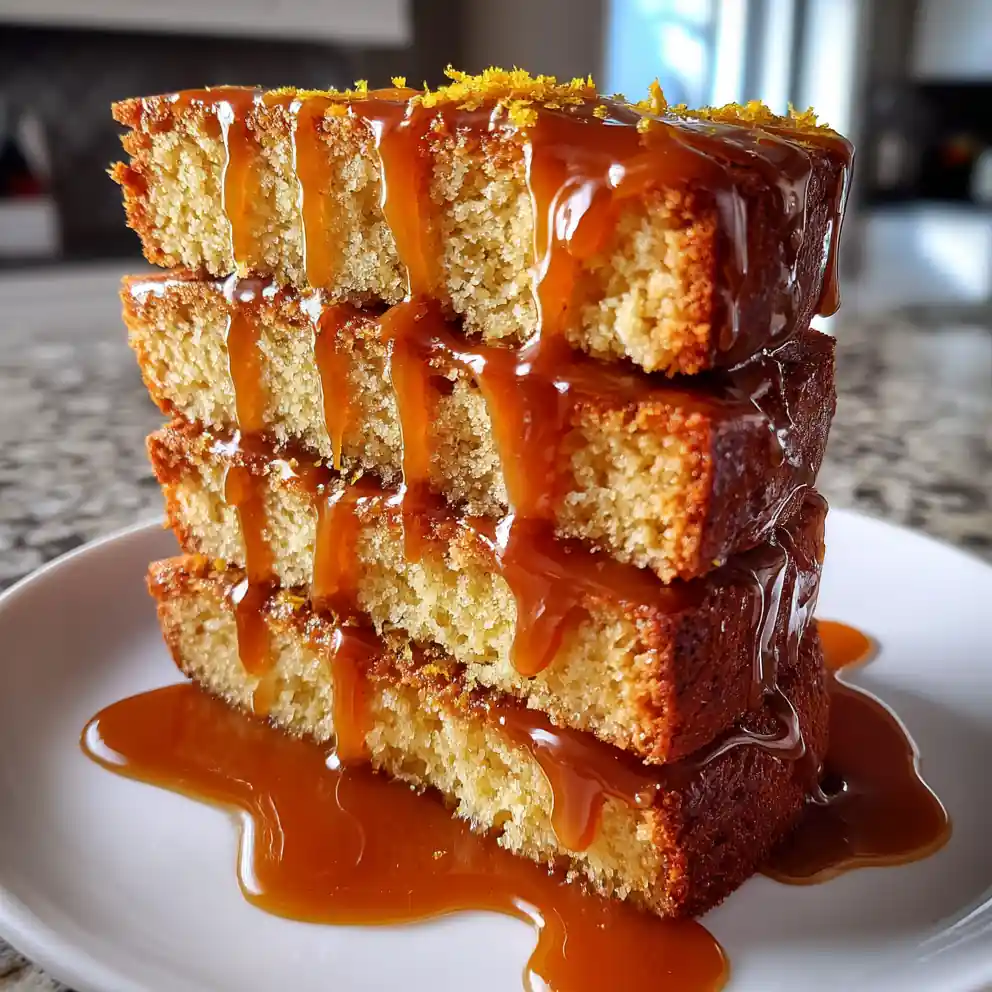
I think a classic pound cake is one of the ultimate comfort foods, especially when it’s brightened up with a fresh citrus flavor. This easy orange pound cake recipe adds a surprising and delicious twist with a homemade saffron-orange caramel ribbon, infusing every slice with warm spice and rich orange flavor. The hidden swirl of caramel makes this cake perfect for family gatherings or a weekend treat where you want a “wow” factor without extra effort. This recipe delivers a tender crumb and a bright, citrusy profile that’s a new favorite for brunch or dessert. We’ll walk through the straightforward steps to create this beautiful and comforting family dessert.
Ingredients
Pound Cake Batter
- 225 g (1 cup) unsalted butter, softened to room temperature. This is essential for creating a light and airy texture when creaming with sugar. Make sure it’s completely soft but not melted; plan to leave it out for at least an hour before baking.
- 300 g (1 ½ cups) granulated sugar. Provides sweetness and helps create the necessary structure and tender crumb of the orange pound cake recipe. You can reduce slightly if desired, but we recommend sticking to this ratio for the best results.
- 4 large eggs, at room temperature. Like butter, room-temperature eggs emulsify better with the fat and prevent curdling. If you forgot to take them out, place them in a bowl of warm water for a few minutes to quickly bring them up to temperature.
- 300 g (2 ¼ cups) all-purpose flour. The foundation of the cake’s structure; ensure it is properly measured (spooned and leveled) and sifted with the leavening agents. Avoid substituting with self-rising flour as the leavening in this recipe is precisely measured.
- 10 g (2 teaspoons) baking powder. Provides lift and helps create the classic pound cake structure and rise. Ensure your baking powder is fresh for optimal results (test by adding a pinch to hot water; it should bubble vigorously).
- 5 g (1 teaspoon) fine sea salt. Balances the sweetness of the sugar and enhances the overall flavor profile of the pound cake. Do not omit, as it prevents the cake from tasting flat.
- 120 ml (½ cup) whole milk, at room temperature. Adds essential moisture and richness to the batter for a moist final texture. Room temperature milk combines better with the other ingredients; when I make this orange pound cake recipe for a quick meal, I sometimes use buttermilk instead of whole milk for a little extra tang.
- 10 ml (2 teaspoons) alcohol-free vanilla extract. A classic flavor enhancer that complements the citrus and saffron notes. Using an alcohol-free version prevents the alcohol from overpowering the delicate saffron flavor.
- Zest of 2 large oranges (about 2 tablespoons). Provides the primary bright citrus flavor for the pound cake batter itself. Ensure you only take the bright orange part of the peel and avoid the bitter white pith underneath.
Saffron-Orange Caramel Ribbon
- 120 g (½ cup) granulated sugar. Used to create the base for the caramel sauce; a standard white sugar works best here. Make sure to have this measured out separately from the cake batter sugar.
- 60 ml (¼ cup) water. Mixed with the sugar to create the initial sugar syrup before caramelizing. Use cold water to slow down the initial crystallization process.
- 60 ml (¼ cup) fresh orange juice. Adds a sharp citrus note to cut through the richness of the caramel and complement the cake. Use the juice from the same oranges you zested for the best flavor consistency.
- 60 ml (¼ cup) heavy cream. Added to the hot caramel to stop the cooking process and create a smooth, creamy sauce. Use full-fat heavy cream (at least 35% fat) for the richest result.
- 1 g (pinch, about 20-30 strands) saffron threads, gently crushed. Provides the unique and subtle floral, honeyed flavor and beautiful golden color for the caramel. Saffron adds a special touch for this orange pound cake recipe; while it can be pricey, a little goes a long way.
- 5 g (1 teaspoon) unsalted butter. Stirred in at the very end to create a rich, glossy finish and a smoother texture for the caramel ribbon. This final touch prevents the caramel from becoming too firm once cooled.
Optional (plan-ahead): If you’re shopping for the week, I put this into a 4-Week Meal Plan + Grocery Lists so dinner’s already decided before your day gets busy.
Instructions
- Preparation: Preheat oven and prepare the pan. Set your oven temperature to 160°C (325°F) and position a rack in the middle. Grease and flour a 23 x 13 cm (9 x 5 inch) loaf pan, ensuring the flour coats all surfaces before tapping out any excess; this prevents sticking.
- Whisk Dry Ingredients: Combine the flour, baking powder, and salt in a medium bowl. Use a whisk to mix thoroughly, ensuring the baking powder and salt are evenly distributed throughout the flour. Set this aside, ready to alternate with the milk during mixing.
- Cream Butter and Sugar: In a large mixing bowl, beat the softened butter and 300g (1 ½ cups) granulated sugar with an electric mixer on medium-high speed. Cream together until the mixture is light, fluffy, and noticeably paler in color; this usually takes 3-5 minutes depending on your mixer. This step incorporates air into the batter, which is crucial for the cake’s final volume and texture.
- Add Eggs and Aromatics: Add the 4 large eggs, one at a time, beating well after each addition to ensure full incorporation. Scrape down the sides of the bowl as needed to ensure all ingredients are evenly mixed and prevent curdling. Stir in the 10 ml vanilla extract and 2 tablespoons of orange zest just until combined.
- Combine Wet and Dry: Gradually add the dry ingredient mixture in three additions, alternating with two additions of milk, beginning and ending with the dry ingredients. Mix on low speed only until just combined after each addition; avoid overmixing which can result in a tough, dense cake. Stop mixing as soon as the last streaks of flour disappear. If the batter looks separated (curdled) or lumpy as you add the milk, add 1-2 tablespoons of flour to the batter and mix briefly; this often brings the emulsion back together.
- Prepare the Caramel Base: In a small, heavy-bottomed saucepan, combine the 120g granulated sugar and 60ml water. Cook over medium heat, stirring gently until the sugar dissolves completely; do not stir once the mixture begins to boil to prevent crystallization. Increase heat to medium-high and boil without stirring until the mixture turns a deep amber color, which should take 5-8 minutes.
- Finish the Caramel Sauce: Immediately remove the pan from the heat and carefully pour in the heavy cream, orange juice, and crushed saffron threads. The mixture will bubble vigorously as the temperature changes; stir until smooth and then add the 5g unsalted butter, stirring until melted. Let the caramel cool slightly, about 5-7 minutes, until it has thickened but is still pourable and syrupy for the ribbon.
- Layer and Swirl: Pour about ¼ of the orange pound cake batter into the prepared loaf pan. Drizzle about 2 tablespoons of the slightly cooled saffron-orange caramel over the batter. Repeat with another ¼ of the batter, then another 2 tablespoons of caramel; top with the remaining batter.
- Create the Ribbon: Using a knife or skewer, gently swirl through the batter once or twice to create the ribbon effect. Be careful not to overmix the caramel fully into the batter, or the ribbon effect will disappear. Do not swirl too deeply to the bottom of the pan; keep the swirls in the upper two-thirds of the batter for this orange pound cake recipe.
- Bake and Cool: Bake for 60-75 minutes, or until a wooden skewer inserted into the center comes out clean. If the top browns too quickly (before 60 minutes), loosely tent with aluminum foil for the remaining bake time. Let the cake cool in the pan for 15 minutes before inverting onto a wire rack to cool completely.
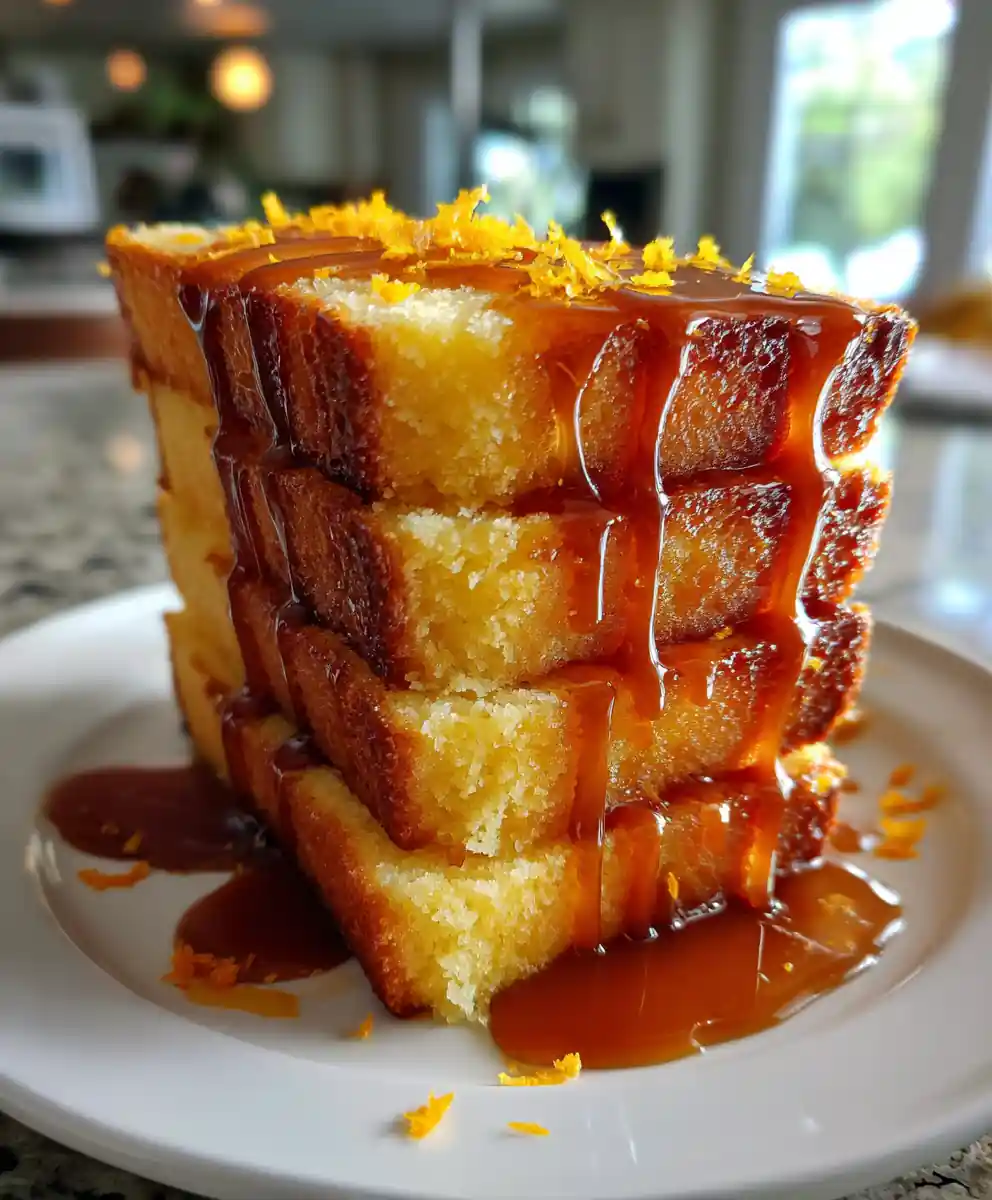
- Final Glaze: Once the cake is completely cool, reheat the remaining saffron-orange caramel gently over low heat if it has become too thick. If needed, thin the caramel with a tiny splash of orange juice until it is a pourable but still thick consistency. Drizzle the warm saffron-orange caramel generously over the top of the cake, allowing it to drip down the sides for a rich glaze.
Tips for a Perfectly Moist Pound Cake
Room Temperature Ingredients are Non-Negotiable: Ensure both the eggs and milk are at room temperature when adding to the creamed butter. Cold ingredients cause the butter to seize and separate, resulting in a dense, tough crumb. Allowing ingredients to warm up creates a smooth emulsion that holds more air for a tender, moist texture. I’ve found that rushing this step, especially with cold milk, can make a significant difference in the final texture of this orange pound cake recipe.
Do Not Overmix the Flour: The key to a tender pound cake is developing just enough gluten for structure, but not too much. After adding the dry ingredients (flour mixture), mix only until the flour streaks disappear, and immediately stop. Overmixing results in a dry, chewy cake, as excessive gluten makes the cake tough and dense.
Check Doneness Accurately: A wooden skewer inserted into the very center of the cake should come out clean when it’s done. If you see wet batter or moist crumbs, continue baking and re-check every 5 minutes. Baking until just done (but not overbaked) ensures the cake retains maximum moisture and creates a wonderful, family-friendly dessert.
Storing and Serving Your Pound Cake
Storage Instructions: Once completely cooled, store the pound cake tightly wrapped in plastic wrap at room temperature for up to 3 days. For longer storage or meal prep, freeze the whole, cooled cake by wrapping it tightly in plastic wrap, then aluminum foil, and store in a large freezer bag for up to 3 months. To defrost, allow it to thaw overnight on the counter in its wrapping; do not remove wrapping until fully thawed.
Serving Suggestions: This orange pound cake recipe is rich enough to serve on its own, but also pairs well with simple toppings. For a special presentation, serve slices with a side of fresh citrus segments or a scoop of vanilla bean ice cream. Garnish with additional fresh orange zest or thin orange slices for a beautiful presentation, perfect for a special occasion.
FAQs
How do I prevent the saffron-orange caramel from getting hard?
The key is to use enough cream and butter in the recipe; if it still hardens, warm it gently on low heat or add a small amount of milk or orange juice to thin it out before serving. You want a syrupy texture for glazing this specific orange pound cake recipe.
Why did my pound cake crack on top?
A crack on top is completely normal for a pound cake; it’s a sign that the cake rose properly and formed a crust before the center finished baking. The caramel drizzle will cover most of the crack, so there’s no need to worry about appearance, as it’s a natural part of a classic pound cake.
Can I use a different citrus fruit for this recipe?
Yes, you can easily swap the orange zest and juice for lemon zest and juice to make a lemon saffron pound cake. Lime also works well, providing a slightly sharper flavor profile, but the bright, warm flavor of the orange pound cake recipe is truly unique.
How long does the saffron flavor last in the cake?
The subtle saffron notes are most prominent on the day of baking, but they will mellow out after a day or two. The orange flavor will actually intensify slightly over time as the cake rests, making it great for day-two breakfast slices.
What if I don’t have saffron threads?
If saffron is not available or outside your budget, you can omit it entirely to make a classic orange pound cake with an orange caramel ribbon. The color will be different, but the flavor will still be delicious and citrusy. This premium ingredient adds a special touch but isn’t strictly necessary.
Can I bake this in a bundt pan instead?
Yes, you can use a standard bundt pan, but you may need to reduce the baking time slightly to avoid overbaking. Start checking for doneness around 45-50 minutes; ensure the pan is well-greased for clean removal, as a bundt pan can be tricky.
How should I measure the flour for a pound cake?
Use the spoon-and-level method: gently spoon the flour into the measuring cup and level off the top with a straight edge. Do not pack the flour into the cup or scoop directly from the bag, as this results in too much flour and a dry cake. I find this method essential for ensuring a moist orange pound cake recipe every time.
Conclusion
This orange pound cake recipe proves that a small, thoughtful twist on a classic recipe can create something truly special. The hidden saffron-caramel ribbon adds depth and warmth that will make this cake a new family favorite. Pin this recipe for later or bake it this weekend for a guaranteed smile!
Print
orange pound cake recipe
- Total Time: 120 minutes
- Yield: 1 loaf cake (10 servings) 1x
- Diet: General
Description
This orange pound cake features a hidden swirl of homemade saffron-orange caramel, infusing every slice with rich flavor. It delivers a tender crumb and a bright citrusy profile, making it a perfect dessert or brunch option for gatherings.
Ingredients
- 1 cup (225g) unsalted butter, softened
- 1 1/2 cups (300g) granulated sugar
- 4 large eggs, room temperature
- 2 1/4 cups (300g) all-purpose flour
- 2 teaspoons (10g) baking powder
- 1 teaspoon (5g) fine sea salt
- 1/2 cup (120ml) whole milk, room temperature
- 2 teaspoons (10ml) vanilla extract
- 2 tablespoons orange zest (from 2 large oranges)
- 1/2 cup (120g) granulated sugar, for caramel
- 1/4 cup (60ml) water
- 1/4 cup (60ml) fresh orange juice
- 1/4 cup (60ml) heavy cream
- 1 pinch (1g) saffron threads, crushed
- 1 teaspoon (5g) unsalted butter, for caramel
Optional (plan-ahead): If you’re shopping for the week, I put this into a 4-Week Meal Plan + Grocery Lists so dinner’s already decided before your day gets busy.
Instructions
- Prepare Pan and Preheat Oven: Preheat oven to 325°F (160°C). Grease and flour a 9×5 inch loaf pan.
- Whisk Dry Ingredients: Combine flour, baking powder, and salt in a bowl; set aside.
- Cream Butter and Sugar: Beat softened butter and granulated sugar until light and fluffy (3-5 minutes).
- Add Eggs and Zest: Incorporate eggs one at a time, then mix in vanilla extract and orange zest.
- Fold in Flour and Milk: Alternate mixing in dry ingredients and milk in stages, starting and ending with dry ingredients. Mix on low speed until just combined.
- Prepare Saffron Caramel: Heat sugar and water in a saucepan, cooking until deep amber color forms without stirring once boiling starts.
- Finish Caramel Sauce: Remove from heat and carefully stir in heavy cream, orange juice, and saffron. Add butter and stir until smooth; let cool slightly for 5-7 minutes.
- Layer Batter and Swirl Caramel: Pour 1/4 of the batter into the pan, then drizzle caramel over it. Repeat layers twice more, ending with batter. Use a skewer to gently swirl for a ribbon effect.
- Bake Loaf Cake: Bake for 60-75 minutes, or until a skewer inserted in the center comes out clean. If browning too quickly, cover with foil.
- Cool and Glaze: Cool in pan for 15 minutes, then transfer to a wire rack to cool completely. Reheat remaining caramel if needed, and drizzle generously over the cooled cake.
Notes
Ensure eggs and milk are at room temperature to prevent a tough crumb. Avoid overmixing the flour when combining ingredients. Store wrapped tightly at room temperature for up to 3 days, or freeze for up to 3 months. To freeze, wrap completely cooled cake in plastic and foil, then thaw overnight at room temperature.
- Prep Time: 25 minutes
- Cook Time: 68 minutes
- Category: Dessert
- Method: Baking
- Cuisine: American
Nutrition
- Serving Size: 1 slice (1/10th of loaf)
- Calories: 450 kcal
- Sugar: 40g
- Sodium: 200mg
- Fat: 25g
- Saturated Fat: 15g
- Unsaturated Fat: 5g
- Trans Fat: 0g
- Carbohydrates: 50g
- Fiber: 1g
- Protein: 5g
- Cholesterol: 100mg
FREE PRINTABLE RECIPE
Get the Printable Recipe PDF (Free)
Enter your email and we’ll send you the ingredients + step-by-step instructions as a clean PDF you can save to your phone.
- ✅ Printable PDF (ingredients + steps)
- ✅ Save it to your phone (no long scrolling)
- ✅ Includes cook time + servings
- ✅ Easy to follow
FAQ
Where’s the full recipe?
It’s delivered as a printable PDF so you can save it and cook without scrolling.
I didn’t get the email.
Check Spam/Promotions and search your inbox for your site name. Then click Confirm to receive the PDF.